Finbarre at the Tarot Cultures conference
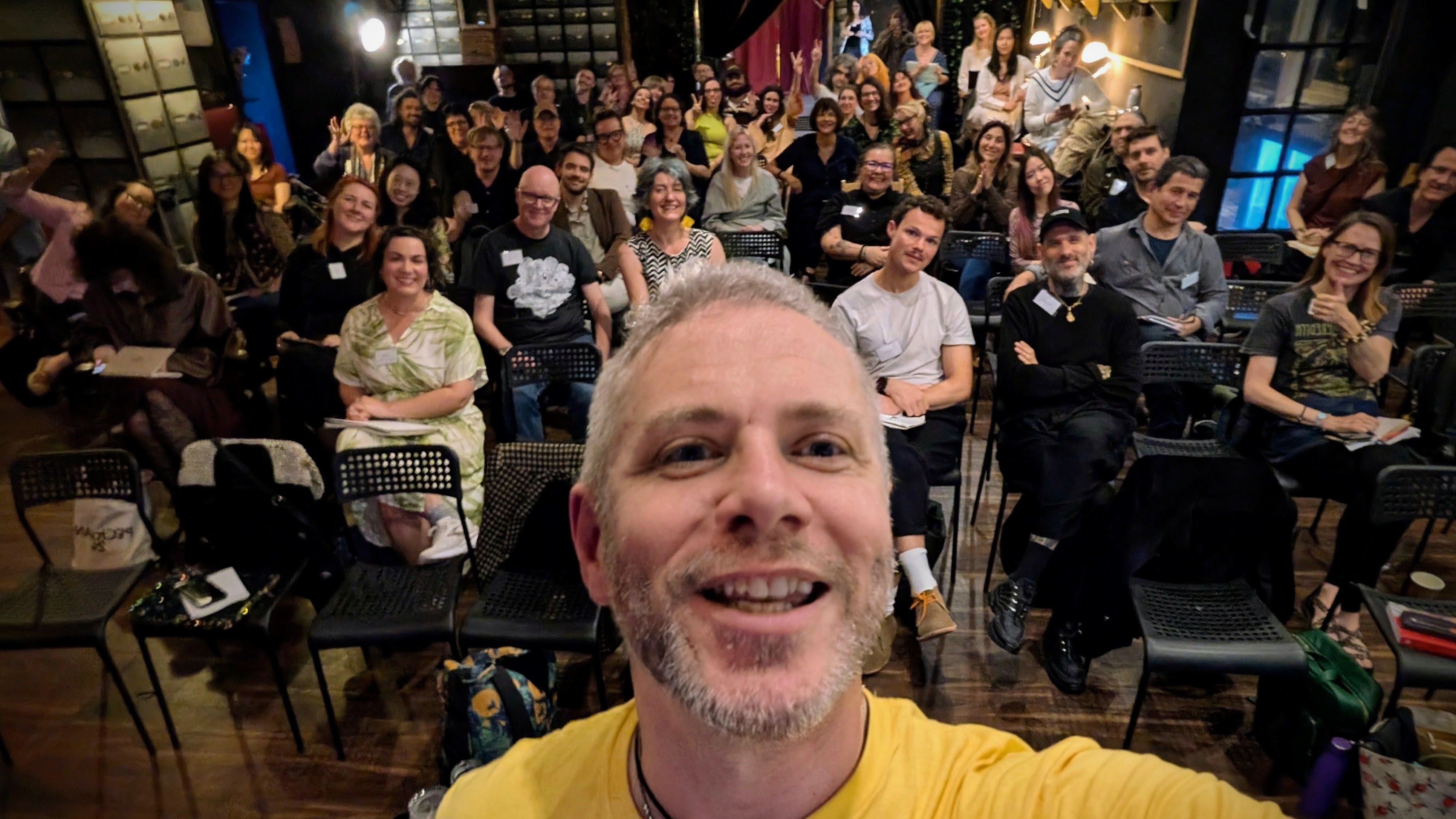
If you want a sign that arts and humanities are still very much in demand in 2026, take a look at this room!
This weekend I presented my paper, “Tarot Reading as Living Heritage: Documenting Contemporary Rider-Waite-Smith Practice in the UK,” as part of Tarot Cultures, a conference organised by Goldsmiths, University of London.
The paper drew on my work coordinating the UK living heritage submission for Rider-Waite-Smith tarot reading practice.
The process involved gathering public testimony and documentation from readers, teachers, writers, artists, archivists and tarot communities about how the practice is carried, taught, adapted and understood today.
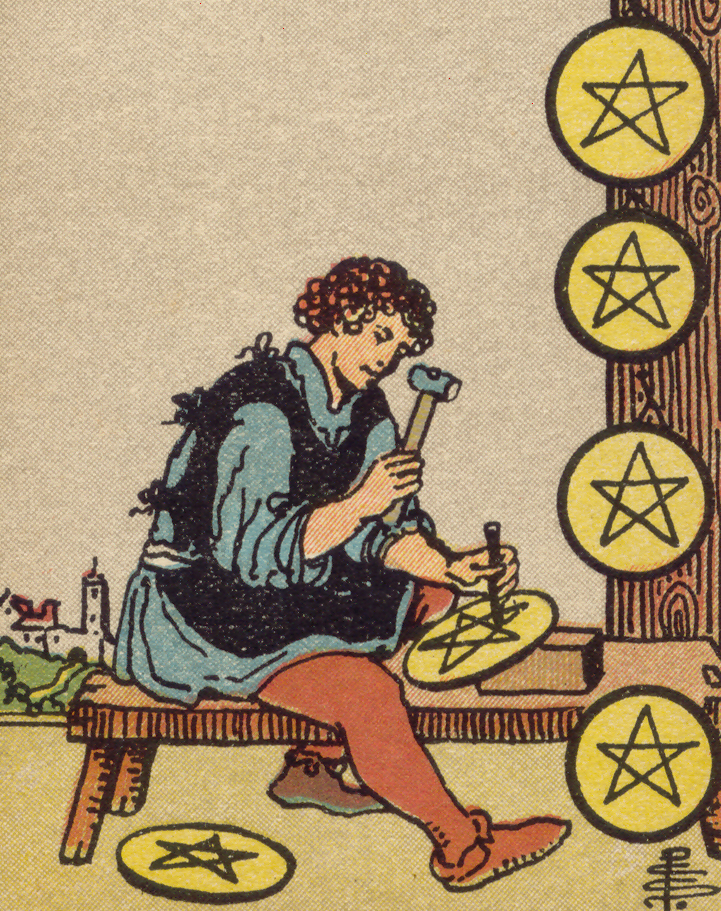
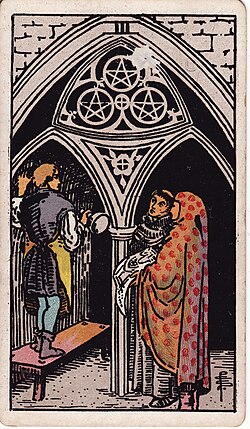
For the talk, I used the Three of Pentacles as my central image: an unfinished structure, worked on by many hands over time. It felt like a useful way to think about tarot as living heritage - a practice sustained through use and care.
I’m grateful to the organisers, speakers and attendees for such a well organized and generous conference! It was a real privilege to place contemporary tarot practice in conversation with other esoteric research.